
Ethical and Moral Development
This program, based on the Quran, focuses on key ethical and moral principles emphasized throughout the holy text. The content is designed to be simple, engaging, and practical for children.
1. Introduction to Ethical and Moral Values
Objective: To introduce children to basic concepts of ethics and morality from an Islamic perspective.
- What are ethics? What is morality?
- Understanding that actions can be good (right) or bad (wrong).
- Introduction to the concept of intention (Niyyah) in Islam.
2. Tawhid (Oneness of Allah)
Objective: To instill the concept of accountability to Allah.
- Allah is all-seeing, all-knowing, and the source of all “good” things.
- We do good deeds to please Allah.
Quranic Reference: Surah Al-Ikhlas (112:1-4)
3. Truthfulness (Sidq)
Objective: To emphasize the importance of always telling the truth.
- What is truth?
- Why is it important to be truthful in our speech and actions?
- The role of honesty in relationships with others.
4. Kindness and Compassion (Rahma)
Objective: To develop the values of kindness and compassion in everyday life.
- How to be kind to parents, friends, neighbors, and animals.
- The importance of helping others and showing empathy.
5. Respecting Parents (Birr al-Walidayn)
Objective: To teach the importance of showing respect and obedience to parents.
- Why parents deserve respect.
- How to show respect in words and actions.
6. Fairness and Justice (Adl)
Objective: To teach children the importance of being fair and just in all matters.
- Understanding fairness and sharing.
- The importance of making fair decisions.
7. Forgiveness (Afw)
Objective: To encourage children to forgive others and seek forgiveness.
- Why we should forgive others when they hurt us, but they regret.
- How forgiveness strengthens relationships.
8. Gratitude (Shukr)
Objective: To nurture a sense of thankfulness and appreciation.
- How to express gratitude to Allah and others.
- Recognizing the blessings we have in life.
9. Patience (Sabr)
Objective: To help children develop the ability to wait, persevere in difficult situations, and control their emotions.
- What is patience and why it is important.
- How to practice patience in daily life (e.g., waiting for your turn, not getting upset).
10. Charity and Generosity (Sadaqah)
Objective: To instill the habit of giving and helping those in need.
- The importance of giving to those who are less fortunate and needy.
- How even small acts of generosity count (e.g., sharing toys, giving food).
Methods and Activities:
- Storytelling: Use simple Quranic stories or the lives of Prophets to illustrate each value.
- Role Play: Allow children to practice these values through guided scenarios.
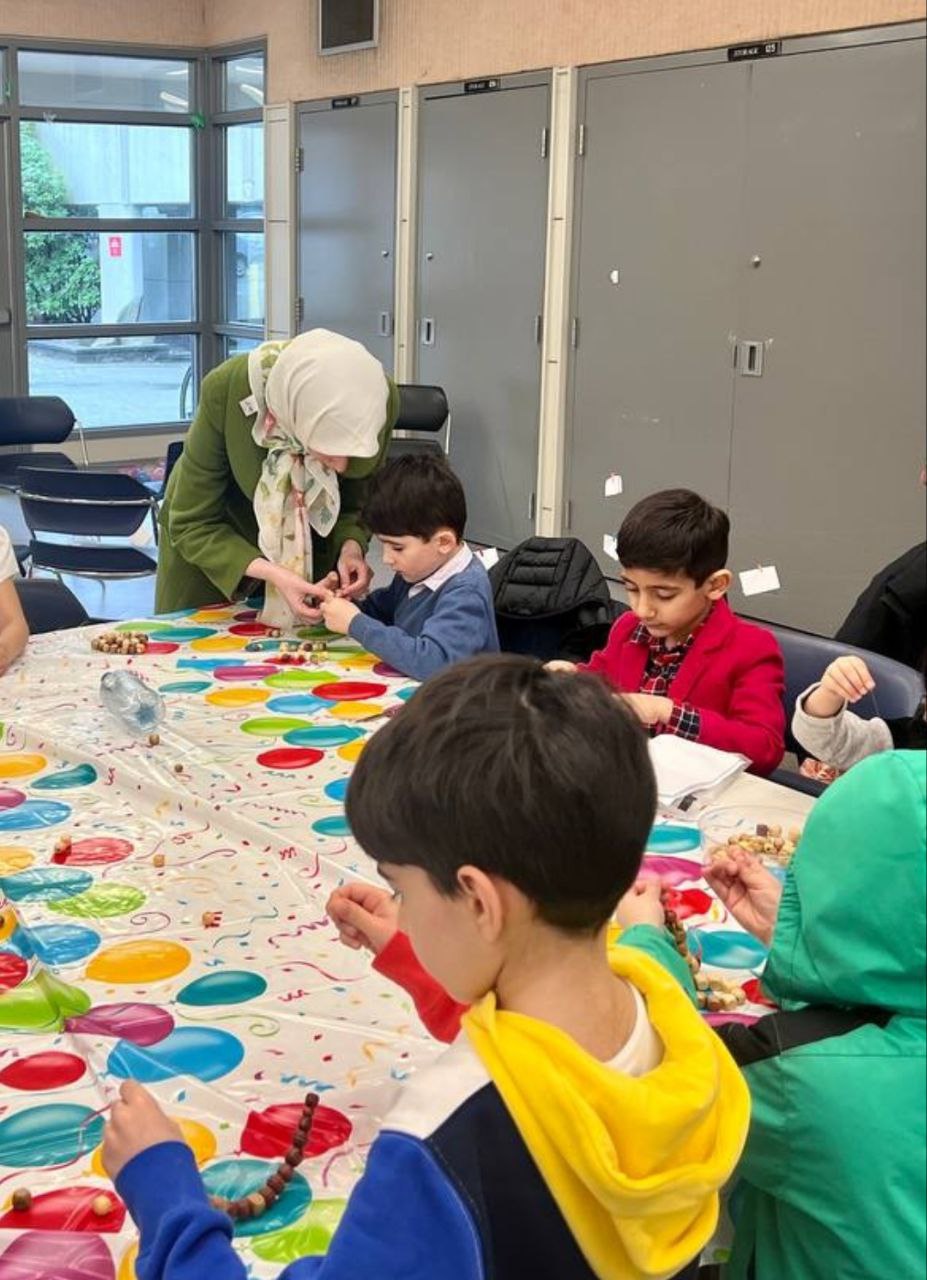
- Art & Craft: Create visual reminders (e.g., posters, cards) about being kind, patient, or truthful.
Target Audience


