
Introduction to epistemology (cognition)
Here’s the revised text with grammatical corrections, proper structure, and bullet points applied while preserving the original content:
This program is designed for individuals aged 17–22 years. Based on realism, philosophy, and the thoughts of Muslim scholars, it features a set of profound discussion sessions aimed at helping youth deeply explore fundamental concepts, including (but not limited to) cognition, existence, perfection, love, ethics, and more. The ultimate goal of the program is to logically establish the necessity of divine guidance.
1. Introduction: System Thinking - Systematic Thinking
- The fundamental concepts of system thinking
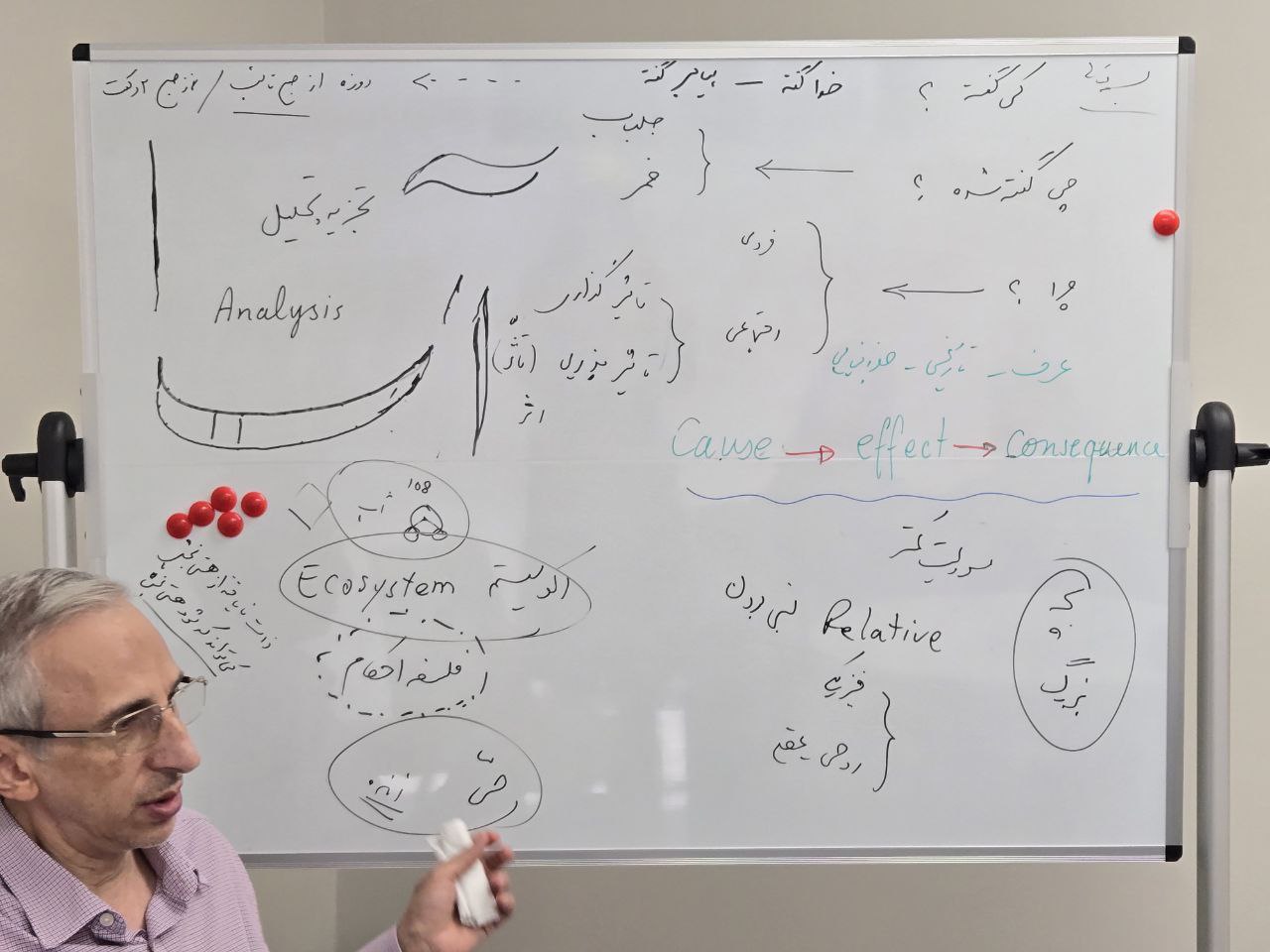
- Analysis and synthesis – components and relationships
- Feedback and dynamism
- Logical thinking and reasoning
2. Tools, Recognition Methods, and Methodology
- Knowledge: difference between mind and brain
- Perception
- Logic and literature: thinking and speaking
- Communicable knowledge: truth and falsehood
- Senses and reasoning: reasoning and fallacy
- Intuition (gut feeling)
- Illusion and imagination: voluntary and involuntary creations of the mind
- Dreams (true dreams): direct connection with facts
3. Self-Cognition: The Beginning of Knowledge
- The principle of non-contradiction
- Distinguishing between self and non-self (outside world)
- Deficiency, attraction, desire, and need
- Love and affection
- Wants and demands
- "Are" and "Musts" - perfectionism
- Mania, Goddess, and Allah
4. Science, Faith, and Revelation
- Real sciences vs. mentally posited sciences (contractual)
- The difference between philosophy and science
- Belief, faith, and certitude
- Scientific and intellectual development: modern sciences and pragmatism
- Intellectual good and bad: relativity in ethics
- Revelation and Prophethood
- The only divine religion: Islam
Target Audience
Youth

Call Us: +1 (778) 668 9794


